The biosafety level system is a classification scheme that defines the biocontainment precautions required to isolate dangerous biological agents. It exists because the work we do — handling pathogens, caring for animals that may carry or be exposed to them — demands protocols that are non-negotiable. There is no such thing as "close enough" when a pathogen is involved. You either follow the protocol, or you don't belong in the room.
Source: CDC BMBL 6th Edition · Wikidata: Biosafety Level (Q898943)
At a Glance
| Level | Risk | Containment | Access | Typical Agents |
|---|---|---|---|---|
| BSL-1 | Minimal | Open bench | Unrestricted | E. coli K-12, Saccharomyces |
| BSL-2 | Moderate | Biological safety cabinet, biohazard signage | Restricted during work | Hepatitis B, HIV, SARS-CoV-2 |
| BSL-3 | High | Directional airflow, HEPA, double-door entry | Strictly controlled | Mycobacterium tuberculosis, SARS-CoV-1 |
| BSL-4 | Extreme | Full positive-pressure suit, negative-pressure room | Approved personnel only | Marburg, Ebola, Nipah |
Biosafety Level 1 BSL-1
- Containment
- Standard microbiological practice. Open bench work is acceptable. No special engineering controls required.
- Personal Protective Equipment
- Lab coat or uniform. Gloves when appropriate for the task.
- Access Control
- No restrictions beyond standard laboratory hours.
- Effluent Treatment
- Standard autoclave disposal of contaminated materials.
- Animal Facility Equivalents
- Standard animal rooms with appropriate ventilation. IABS-1 (Infectious Agents BSL-1) for work with non-pathogenic animals.
Reference: Wikidata Q898943 · CDC BMBL

Biosafety Level 2 BSL-2
- Containment
- Biological safety cabinet (BSC) for procedures that may generate aerosols or splashes. Biohazard signage on all access points. Self-closing, labeled doors. This is where I spend most of my professional life.
- Personal Protective Equipment
- Lab coat or protective clothing, gloves, and face protection (face shield or mask) when handling splashes or sprays. Eye protection required when working with hazardous materials.
- Access Control
- Access restricted during working hours. The lab door should be kept closed during active work.
- Effluent Treatment
- Autoclave all potentially contaminated materials before disposal. Sharps containers must be puncture-resistant, leakproof, and labeled with the biohazard symbol.
- Animal Facility Equivalent
- IABS-2: All BSL-2 requirements plus cage-changing in a Class II BSC or using contained animal cages (CAC) or change-out stations (COS) to prevent aerosol release during husbandry.
- What I Actually Do Here
- Every morning: check cage water bottles, inspect bedding, record food consumption, note any signs of distress — hunched posture, ruffled fur, labored breathing. Then the husbandry work: cage change under the BSC, waste decontamination, and documentation that would make an auditor weep with joy.
Reference: Wikidata Q18396535 · CDC BMBL
Biosafety Level 3 BSL-3
- Containment
- Controlled unidirectional airflow (negative pressure). HEPA filtration of all exhaust air. Double-door, self-closing entry with an airlock. All work done in Class II or III BSCs. The room is a sealed system.
- Personal Protective Equipment
- Full protective clothing, including respirators or supplied-air respirators. Shoe covers. Double gloves.
- Access Control
- Strictly controlled. Only approved, trained personnel. Electronic access logging. The door doesn't just lock — it documents.
- Decontamination
- All waste autoclaved on-site. Surface decontamination with approved disinfectants. The walls, the floor, the air — everything is treated as a potential vector until proven otherwise.
Reference: Wikidata Q18396538 · CDC BMBL
Biosafety Level 4 BSL-4
- Containment
- The maximum. The room is at negative pressure relative to the building. All exhaust air passes through dual HEPA filters. Personnel enter through a chemical shower or through a pass-through decontamination system. There is no way out without being cleaned.
- Personal Protective Equipment
- Two options: a positive-pressure, independently ventilated suit with a dedicated air supply (full "moon-man" suit), or a Class III glove box where all work is done through thick-glass gloves sealed into the cabinet.
- Access Control
- The most restrictive in the biosafety world. Personnel must pass medical clearance, demonstrate competency, and be authorized in writing by the Institutional Biosafety Committee.
- Decontamination
- All waste autoclaved on-site. All surfaces chemically decontaminated. Showers for suit-based exit. The entire facility is designed so that nothing — no particle, no droplet, no spore — can leave without being neutralized.
Reference: Wikidata Q18396539 · CDC BMBL
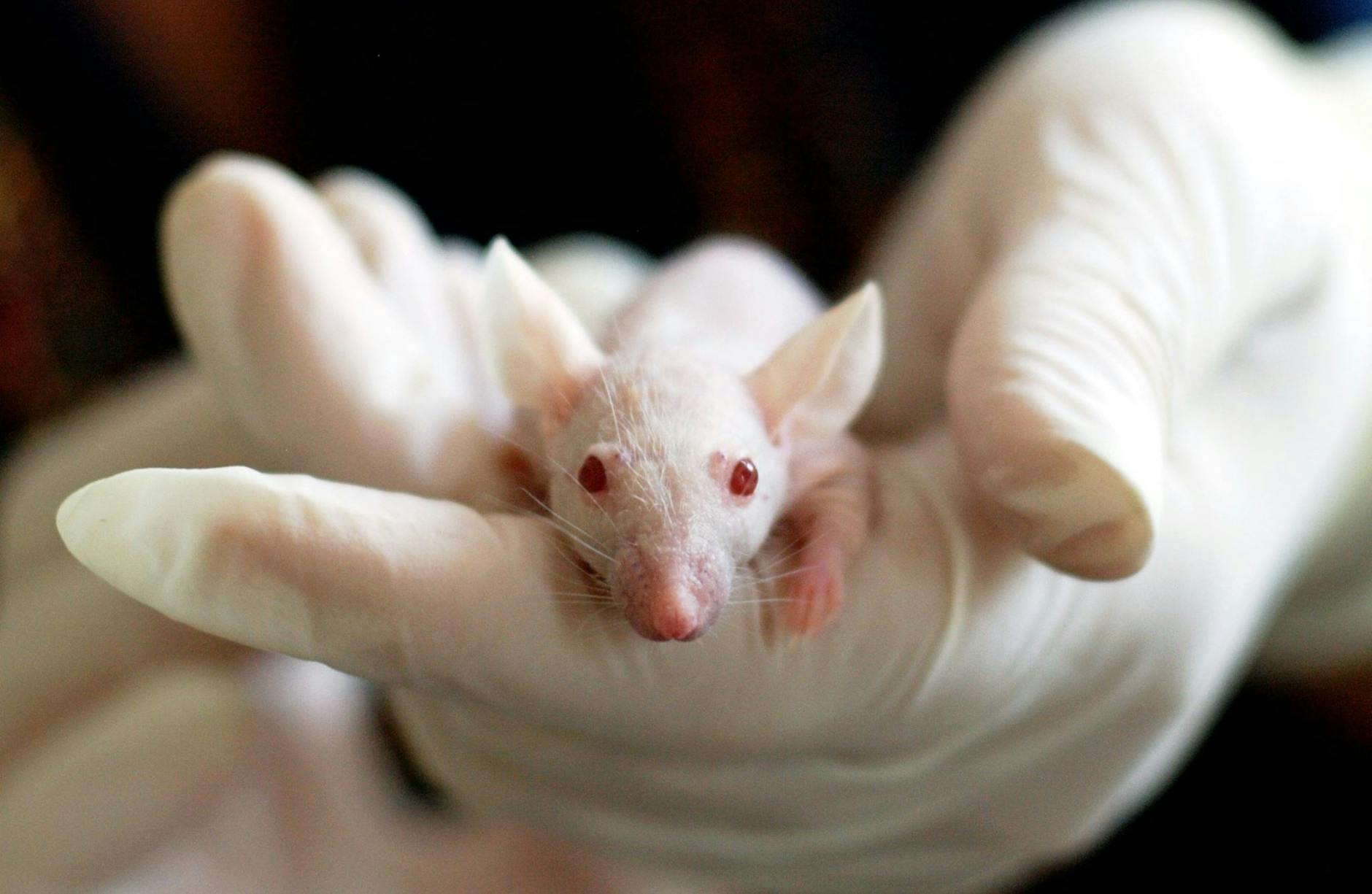
The Thing the Manuals Don't Say
Every level has its protocols. But the real work — the work that keeps things from going sideways — happens in the space between the written procedures. It's the moment you notice a mouse that's just a little too still, the way a cage smells different on a bad day, the instinct that tells you to double-check a seal even though the gauge says it's fine.
I've been doing this for over twenty years. The protocols are the skeleton — necessary, structural, non-negotiable. But the flesh of this work is empathy. The animals don't know what a biosafety level is. They just know whether the hands reaching for them are steady.