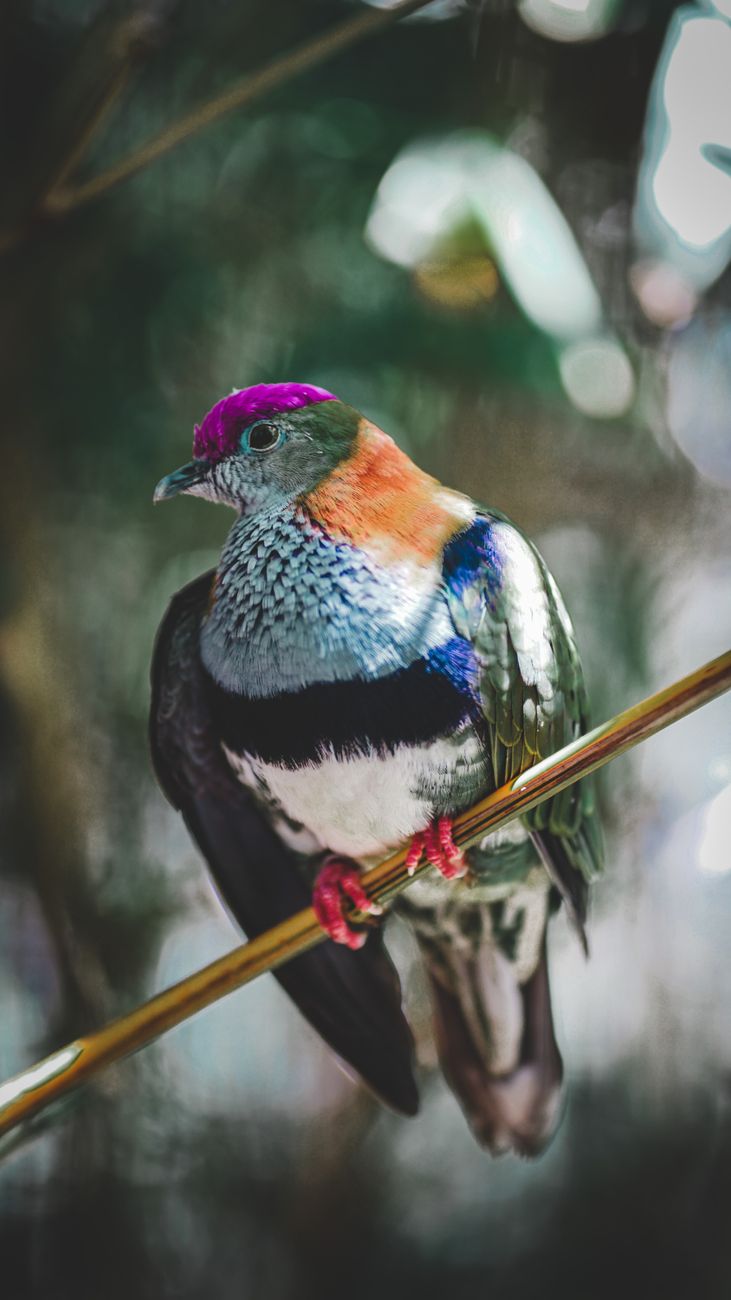
Biodiversity is the variety of life on Earth, encompassing the different species of plants, animals, fungi, and microorganisms, as well as the ecosystems they inhabit. It is a fundamental aspect of life on Earth and plays a crucial role in maintaining the health and stability of our planet.
In the context of animal care, biodiversity is equally important. The care and well-being of animals, whether in the wild or in captivity, are directly influenced by the diversity of their environments. A diverse ecosystem provides a wide range of habitats, food sources, and interactions that are essential for the health and survival of animals.
The Importance of Biodiversity in Animal Care
Biodiversity in animal care refers to the variety of species and ecosystems that are present in the environment where animals are kept. This diversity is crucial for the physical and mental well-being of the animals. A diverse environment provides a variety of stimuli, which can help to prevent boredom and stress in captive animals.
Moreover, biodiversity in animal care can also contribute to the conservation of species. By providing a diverse environment, we can help to maintain the genetic diversity of species, which is essential for their long-term survival. This is particularly important for endangered species, which may have limited genetic diversity due to their small population sizes.
Case Study: The Negros Fruit Dove
The Negros Fruit Dove, also known as the Negros Bleeding-heart, is a critically endangered bird species found in the Philippines. This species is a prime example of how biodiversity in animal care can contribute to the conservation of species.
The Negros Fruit Dove is a small, ground-nesting bird that feeds on fruits and seeds. It is endemic to the island of Negros in the Philippines, and its habitat is limited to the island's lowland forests. Due to habitat loss and hunting, the population of the Negros Fruit Dove has declined significantly, and it is now considered critically endangered.
In the context of animal care, the Negros Fruit Dove serves as a reminder of the importance of biodiversity. By providing a diverse environment, we can help to maintain the genetic diversity of species, which is essential for their long-term survival. This is particularly important for endangered species, which may have limited genetic diversity due to their small population sizes.
Conclusion
In conclusion, biodiversity is a fundamental aspect of life on Earth and plays a crucial role in maintaining the health and stability of our planet. In the context of animal care, biodiversity is equally important. The care and well-being of animals, whether in the wild or in captivity, are directly influenced by the diversity of their environments. By providing a diverse environment, we can help to maintain the genetic diversity of species, which is essential for their long-term survival.